From Stigma to Solution: How Ruby Raut Built WUKA into a Purpose-Driven Movement

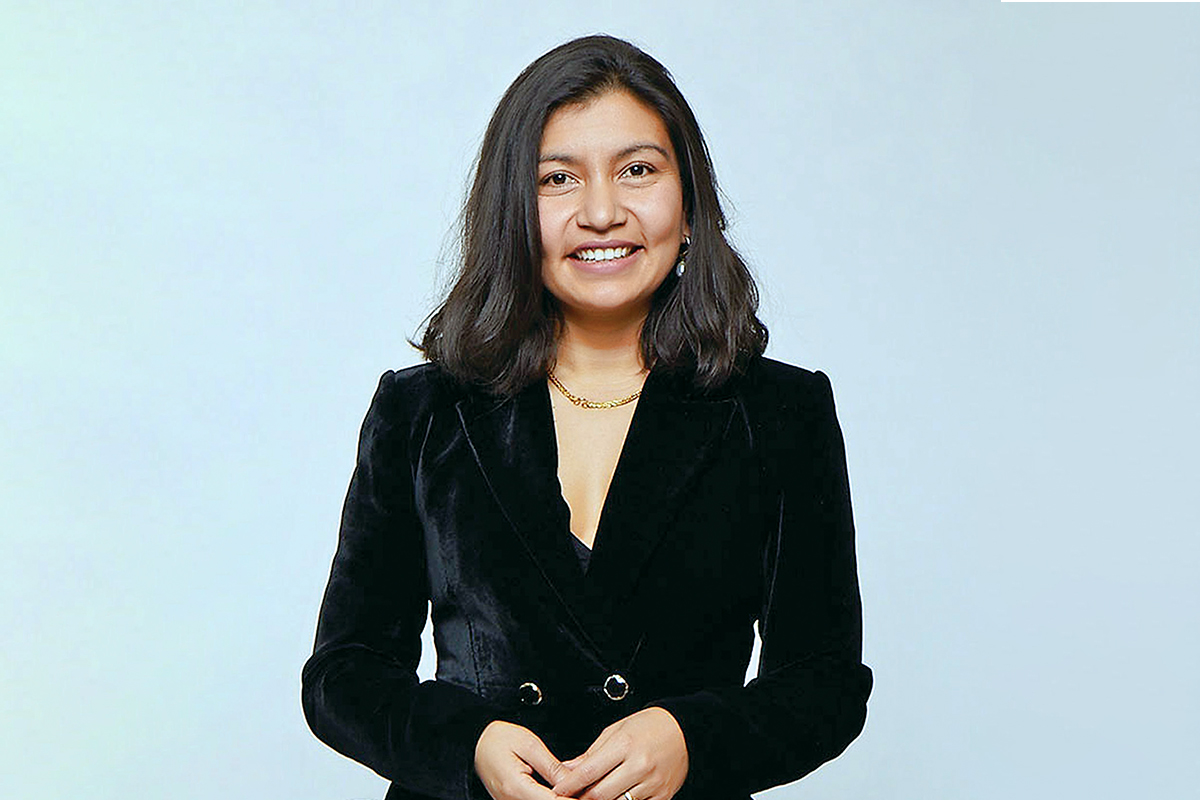
Ruby Raut, CEO & Founder, WUKA
In a world where innovation often begins with technology, Ruby Raut built her company on something far more personal: lived experience. As the founder and Chief Executive Officer of WUKA, she has transformed a deeply stigmatised subject into a platform for empowerment, sustainability and social change. Her journey from a young girl in Nepal facing menstrual stigma to leading a pioneering brand in the United Kingdom reflects not only resilience but also a broader mission to reshape how society views menstruation.
Raut’s story begins in Nepal, where cultural taboos surrounding menstruation remain deeply rooted.
“I was 12 when I had my first period in Nepal. My mum gave me old sari rags and I was sent away from home because I was considered ‘impure’. I felt ashamed, confused and alone,” says Raut. “Years later, in the UK, I saw shelves full of products but most were plastic and did not solve the real problem. That contrast stayed with me.”
This moment would later become the emotional and ideological foundation of her work. In the United Kingdom, supermarkets were filled with menstrual products, yet most were disposable, plastic-based and environmentally harmful. Despite the abundance of options, she recognised that the core issues of discomfort, stigma and sustainability remained unresolved.
So, instead of accepting the status quo, Raut chose to act, which led to WUKA. A company born from that moment, turning her personal pain into something that could give dignity, comfort and choice to millions.
WUKA, which stands for ‘Wake Up Kick Ass’, was created not just as a product but as a movement. It became one of the first brands in the UK to introduce reusable period underwear, offering an alternative to disposable pads and tampons. The idea was simple in concept but complex in execution: create underwear that is leak-proof, comfortable, sustainable and empowering.
“We were not just designing a product, we were redesigning something deeply personal. It had to feel safe, leak-proof and comfortable but also empowering,” says Raut.
Designing such a product required overcoming significant challenges. Raut and her team were not simply developing a garment. They were reimagining a deeply personal and often sensitive aspect of daily life. The underwear needed to perform flawlessly while also helping users feel confident and secure, which meant trust was a major hurdle. Convincing people to change a monthly habit tied to both comfort and cultural conditioning required persistence, testing and continuous refinement.
Raut recalls that the early days were filled with trial and error. Products were tested, redesigned and improved repeatedly. The goal was not just functionality but emotional reassurance. It was essential that users felt safe and empowered when using WUKA products.
One of the biggest obstacles Raut faced was not technical but cultural. Menstruation remains a taboo subject in many parts of the world, including developed markets. When introducing reusable period underwear, she encountered scepticism and misconceptions.
“The biggest misconception was about periods themselves. People felt embarrassed, even talking about them. Reusable sounded ‘unhygienic’ or ‘risky’. So, our job became bigger than selling a product. We had to change the narrative so people could feel proud, not ashamed,” shares Raut.
These reactions, Raut explains, stem from years of silence and misinformation. As a result, WUKA’s mission expanded beyond product innovation. It became a campaign for education and normalisation. The company actively works to break down stigma by encouraging open conversations about periods. Through marketing campaigns, educational initiatives and bold visual storytelling, including the use of real blood imagery, WUKA challenges outdated narratives and promotes body positivity.
This approach has helped shift perceptions, particularly among younger consumers who are more open to sustainable and transparent solutions.
Raut’s academic background in environmental science played a crucial role in shaping WUKA’s mission. During her studies, she became aware of the environmental impact of disposable menstrual products.
“Items such as pads and tampons often contain plastic and can take hundreds of years to decompose in landfills,” observes Raut. “Given that billions of people menstruate every month, the cumulative environmental footprint is staggering.”
For Raut, this realisation reframed the issue. Period care was not just a women’s issue. It was a climate issue.
WUKA addresses this challenge by offering reusable products designed to last for years rather than hours. Sustainability is embedded in every aspect of the business, from fabric selection to manufacturing processes. The company prioritises ethical production and durable design, ensuring that its products reduce waste while maintaining high-performance standards.
Raut emphasises, “Sustainability is not an added feature for WUKA. It is the foundation of the brand. This commitment resonates strongly with environmentally conscious consumers and aligns with broader global efforts to reduce plastic waste.”
Looking ahead, Raut envisions a future where menstrual products are designed with greater inclusivity and adaptability. She believes that innovation in materials and textile technology will play a key role in shaping this future. Smarter fabrics, improved absorbency and designs that cater to diverse body types and life stages are all areas of potential growth.
However, she also stresses that true innovation goes beyond technical advancements. It involves understanding and addressing the real needs of users.
“Periods are not one-size-fits-all, and solutions should reflect that diversity. By focusing on user experience and emotional connection, WUKA aims to create products that make people feel seen and supported.”
Raut’s entrepreneurial journey has been anything but easy. In the early days, she was deeply involved in every aspect of the business, from sewing products to packing orders in her living room. This hands-on approach allowed her to stay closely connected to the product and the mission.
As the company grew, her role evolved into that of a leader and strategist. Despite this transition, she remains grounded in the original purpose of WUKA. She continues to view herself as a problem-solver, committed to addressing the challenges that inspired the company’s creation.
Maintaining this sense of purpose has been essential in navigating the pressures of scaling a business.
Raut believes, “Staying connected to the mission is key to long-term success. It ensures that decisions are guided by values rather than short-term gains.”
Like many entrepreneurs, Raut has faced numerous challenges along the way. Financial constraints, scepticism from others and moments of self-doubt have all tested her resolve. There were times when she considered giving up.
“There have been many moments where I felt like giving up. But every time, I went back to that 12-year-old girl who felt ashamed of her body. And I reminded myself, this is not just business. This matters. That is what kept me going,” says Raut. This reminder reinforces the importance of her work and the impact it can have on others.
For Raut, WUKA is not just a business. It is a mission to restore dignity and choice to millions of people. This sense of purpose has been a powerful motivator during difficult times.
Raut’s journey offers valuable lessons for aspiring entrepreneurs, particularly those interested in impact-driven ventures. Passion and personal connection, she argues, are essential for sustaining motivation through challenges.
“Start with something that truly matters to you because that is what will carry you through the hardest days. You do not need all the answers. I did not. But if you are willing to learn, to fail and to keep going, you can build something powerful,” says Raut.
She also emphasises the importance of resilience and adaptability. Success does not require having all the answers from the beginning. It requires a willingness to learn, experiment and persist despite setbacks. Her story highlights the potential to turn personal experiences into powerful business ideas that drive both profit and social change.
Looking ahead, Raut has a clear and ambitious vision for WUKA. She wants the brand to become a mainstream choice, available alongside traditional menstrual products in everyday retail settings. Her goal is to make sustainable options accessible and convenient for everyone.
This vision reflects a broader shift in consumer behaviour. As awareness of environmental issues grows, more people are seeking alternatives to disposable products. WUKA is well positioned to lead this transition, offering solutions that align with both personal and planetary well-being.
Raut’s ultimate aim is to eliminate the trade-off between convenience and sustainability. She believes that the better choice should not be hidden or difficult to access. It should be readily available, empowering individuals to make decisions that benefit both themselves and the environment.
“Because no one should have to choose between what is good for them and what is good for the planet. The better choice should just be there, waiting for you.”