Nepal leads South Asia in budget transparency with OBS score of 52
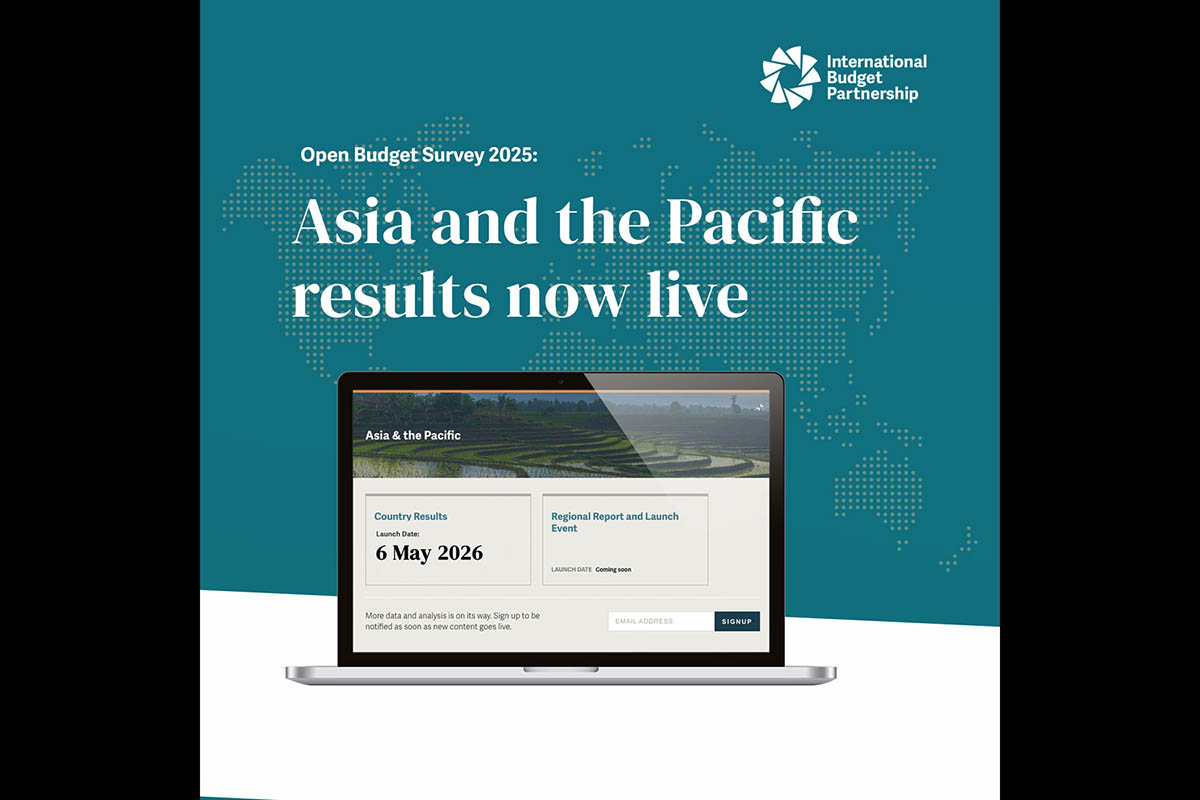
KATHMANDU: Nepal has demonstrated steady performance in fiscal transparency, achieving a score of 52 out of 100 in the International Budget Partnership’s (IBP) Open Budget Survey (OBS) 2025, published on Wednesday. The score is a slight improvement on the 50 recorded in 2023 and indicates a sustained effort to provide the public with access to central government budget information.
The OBS 2025 provides a snapshot of Nepal’s current practices on budget disclosure, opportunities for public engagement in the budget cycle, and the effectiveness of checks and balances. “Government budget decisions — what taxes to levy, what services to provide, and how much debt to take on — have important consequences for all people in society,” the biennial survey report notes, emphasising that meaningful public engagement helps ensure public money is spent in the public interest.
With a transparency score of 52, Nepal leads its South Asian neighbours, surpassing Pakistan (45), India (44), Sri Lanka (43), Bangladesh (37) and Afghanistan (0). Despite this regional lead, Nepal remains below the score of 61 that the survey considers the minimum threshold for 'sufficient' transparency to support informed public debate.
Nepal’s score for public participation remains low at 28, reflecting few formal opportunities for the public to engage in the budget process. While the Supreme Audit Institution (SAI) provides adequate opportunities for engagement (67), the executive and the legislature lag significantly behind. The composite oversight score indicates limited effectiveness at 52. Audit oversight is rated adequate at 78, while legislative oversight is ranked weak at 39, a persistent challenge across survey cycles.
The report recommends that committees such as the Public Account Committee (PAC) ensure timely follow‑up on audit recommendations and that the executive consult the legislature before shifting funds. It also urges legislative committees to proactively monitor debt, examine budget implementation, and publish analysis reports online.
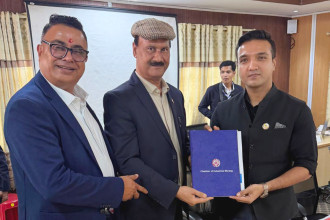
Despite continuous advocacy from civil society organisations and the media, Nepal has not produced and made publicly available the pre‑budget statement (PBS) and the Citizens’ Budget, Freedom Forum’s executive chief and budget researcher Taranath Dahal commented. “The recommendations based on the survey data are highly relevant and crucial for the overall improvement of the financial sector. Relevant authorities must pay serious attention to their implementation,” he said.
The survey sets out a range of recommendations to improve Nepal’s transparency score. To reach a sufficient level of transparency and restore public trust, OBS 2025 recommends that Nepal publish the pre‑budget statement and the Citizens’ Budget online in a timely manner. The executive’s budget proposal should include more comprehensive multi‑year projections and a glossary of terms to improve budget literacy. The year‑end report should disclose fiscal risks and performance outcomes, and the audit report should strengthen disclosures on extra‑budgetary funds and the executive’s progress in addressing past recommendations.
The report also urges stronger public participation by sustaining provincial consultations and informing citizens how their inputs influence policy. It emphasises that effective implementation of the Third National PFM Reform Strategy, with a focus on inclusivity, will be vital to increasing legislative oversight and accountability, engaging underrepresented communities, and allowing public testimony during parliamentary hearings on budget proposals and audit reports.
The Open Budget Survey is the world’s only independent, comparative and fact‑based research instrument that assesses public access to central government budget information. The 10th edition of the OBS covers 82 countries.