Consumer price inflation rises to 4.47 pc in mid‑April: NRB
KATHMANDU: Year‑on‑year consumer price inflation in Nepal rose to 4.47% in mid‑April 2026, up from 3.39% a year earlier, according to the current macroeconomic and financial situation report issued by Nepal Rastra Bank (NRB)on Monday.
The NRB report based on nine months’ data of fiscal year 2025/26 showed average inflation for the first nine months at 2.39%, down from 4.57% in the same period last year, indicating a lower cumulative rise in prices despite the monthly increasse.
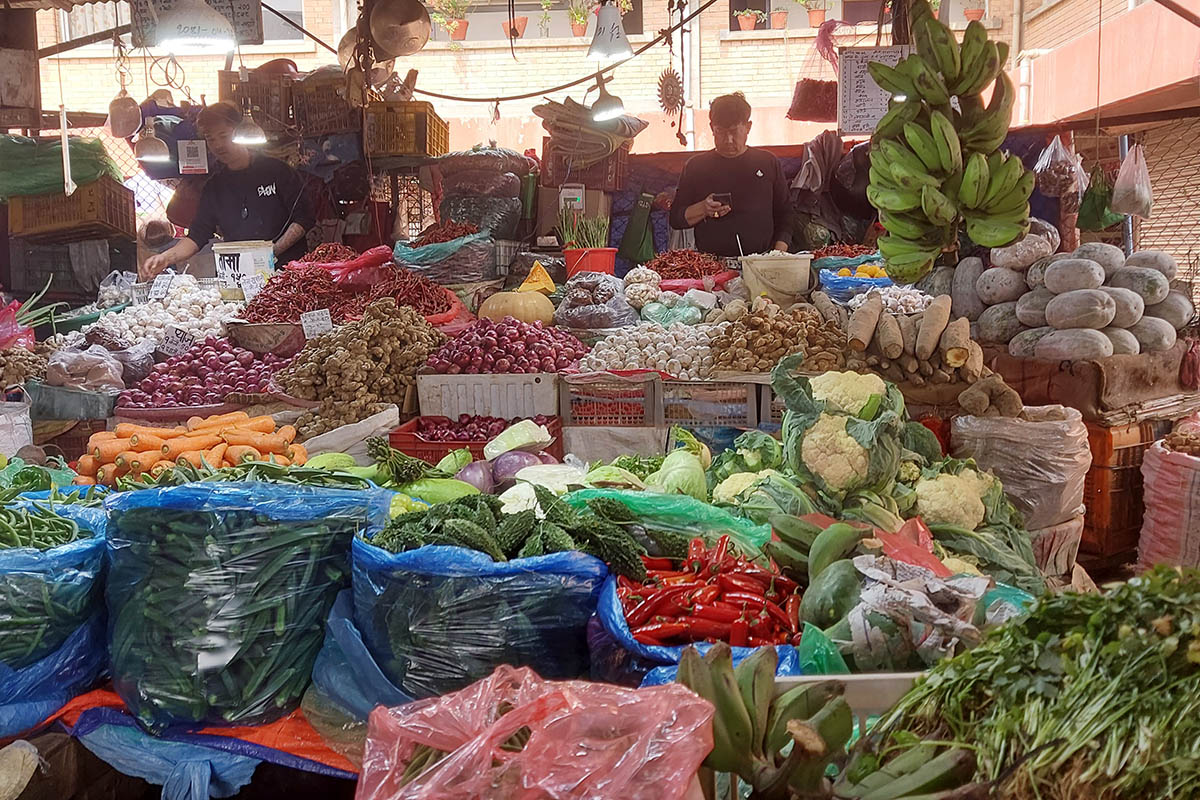
Food and beverage inflation was 4.01% year‑on‑year in the review month. Prices of ghee and oil rose by 12.87%, fruit by 11.67% and vegetables by 9.18%. By contrast, pulses and legumes fell by 2.78%, cereal grains and their products eased by 1.68% and spices declined by 1.64%.
Non‑food and services inflation increased to 4.72% year‑on‑year. The miscellaneous goods and services sub‑category rose sharply by 19.94%. Transportation costs increased by 12.03% and education by 7.46%. Alcoholic drinks rose by 4.77% and clothes and footwear by 4.73%.
Urban areas experienced higher inflationary pressure, with consumer prices up 4.74% year‑on‑year, while rural areas recorded a 3.71% increase.
Regional data showed the Terai with the highest inflation at 4.83%, followed by the Kathmandu Valley at 4.69% and the Hill region at 4.18%. The Mountain region recorded the smallest rise at 3.20%.
By province, Lumbini reported the highest year‑on‑year consumer price inflation at 5.15%. Koshi recorded 4.98%, Madhesh 4.91%, Bagmati 4.20%, Gandaki 3.85%, Karnali 3.82% and Sudurpashchim 3.39%.
On the wholesale front, year‑on‑year wholesale price inflation eased to 3.92% in mid‑April from 4.20% a year earlier. The wholesale price index for consumption goods fell by 5.60%, while intermediate goods rose by 9.95% and capital goods by 4.14%. The wholesale index for construction materials increased by 1.97% during the review month.
-1787506604.jpeg)
-1787502361.jpg)