Capital gains tax collection declines as stock trading slows
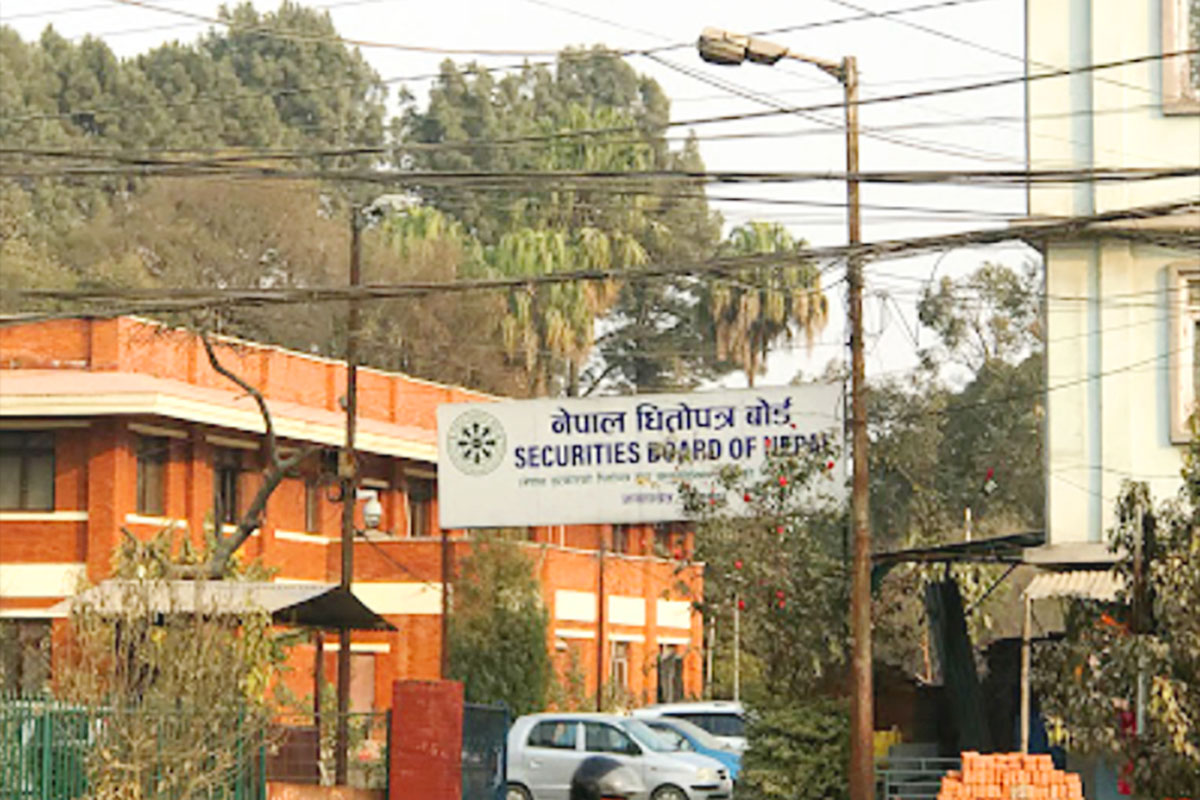
KATHMANDU: A lower-than-expected volume of stock trading has led to a decline in the capital gains tax collected by the government. According to the Securities Board of Nepal (SEBON), the government collected Rs 10,702.5 million in capital gains tax by mid-June in Fiscal Year 2025/26, representing a significant drop from the Rs 18.17 billion collected during FY 2024/25.
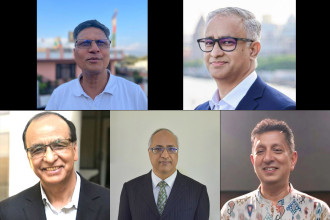
Chhote Lal Rauniyar, former President of the Nepal Investors Forum, stated that falling investor morale has directly impacted trading volumes and, consequently, the tax revenue received by the state.
"Because there is no environment of trust among private sector investors, they are unable to invest in the stock market as expected. As a result, capital gains tax has also been affected," he said. "Since the government maintained the capital gains tax at 10% for short-term and 7.5% for long-term through the current fiscal year budget, stock investors are afraid to invest."
Before the current budget, the tax stood at 7.5% for short-term and 5% for long-term investments. Alongside the drop in tax collection, the securities market's market capitalisation has also fluctuated amid recent volatility.
Data from the Nepal Stock Exchange shows that by mid-October 2025, the NEPSE index reached 2,487.18 points, with a market capitalisation of Rs 4,157.9 billion. By mid-April 2026, the index rose to 2,833.60 points, bringing market capitalisation to Rs 4,832 billion. As of August 25, 2026, the NEPSE index stands at 2,594.27 points, with market capitalisation at Rs 4,462 billion.
Murahari Parajuli, Information Officer at the Nepal Stock Exchange, noted that these secondary market fluctuations are standard, explaining that market capitalisation is simply calculated by multiplying the price and quantity of listed shares. "This is a normal process," he said.
"Share prices increased last April. Therefore, market capitalisation appeared to increase," he added. "Now share prices have decreased. Therefore, market capitalisation appears to have decreased."
Niranjaya Ghimire, Spokesperson for the Securities Board of Nepal, stated that the board is actively working to regulate the sector. "We are working to make the securities market organised and dignified," he said.
According to SEBON's 'Capital Market Development Roadmap of Nepal-2083', the NEPSE index reached its all-time high of 3,199.03 points on August 18, 2021.