Nepali experts call for science-led post-2030 sustainability agenda

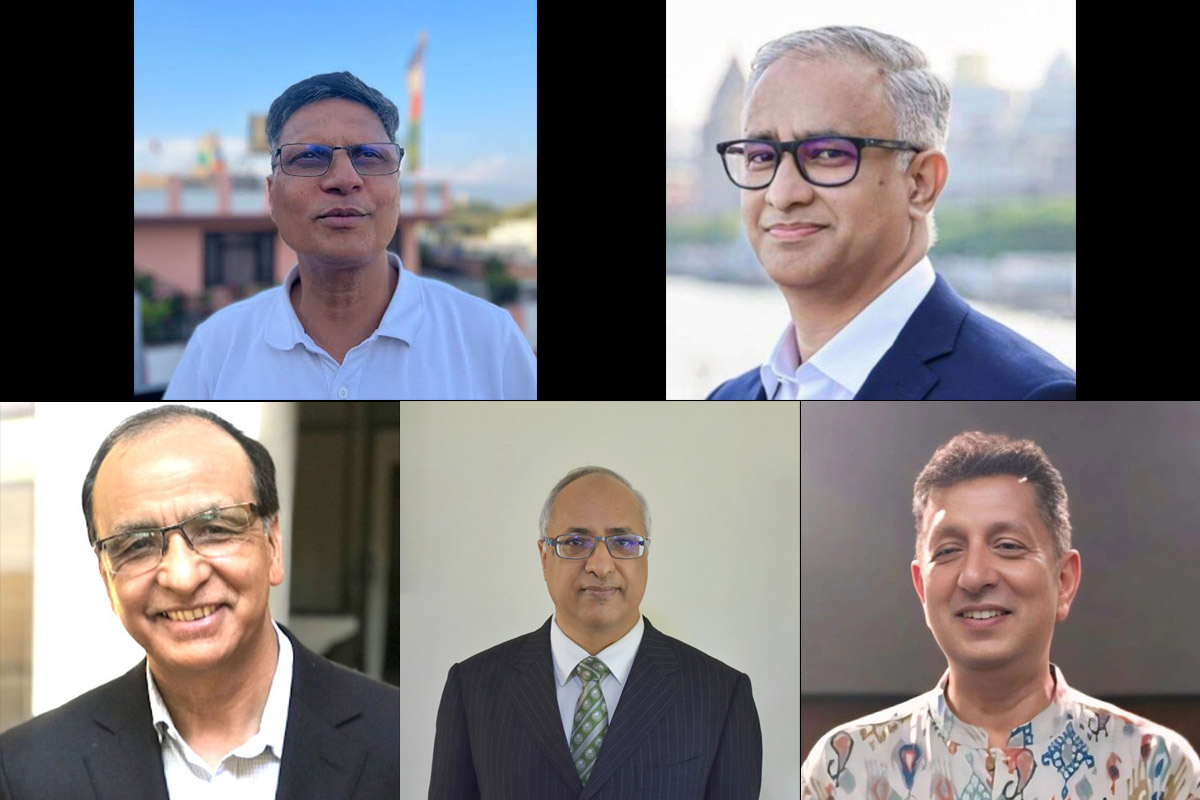
GRONINGEN/KATHMANDU: Nepali experts serving on international scientific and policy bodies have called for the post-2030 global sustainability agenda to be guided by frontline scientific evidence, open knowledge and inclusive governance as repeated climate disasters highlight growing risks across the Himalayas.
The call comes as preparations gather pace for the 2027 UN Sustainable Development Goals (SDG) Summit. The experts said lessons from climate-vulnerable and Least Developed Countries should play a greater role in shaping future global sustainability policies.
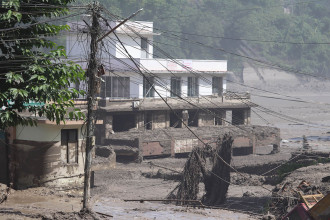
Just six weeks after the August 26 disaster along the Gyirong-Rasuwa corridor, Nepal was hit by another major mountain flood, marking the third major disaster in a matter of months. Experts said the repeated disasters underscore the vulnerability of Himalayan communities and the need for stronger climate resilience, risk preparedness and science-based decision-making.
The Groningen Sustainability Conference (GSC) 2027, scheduled for April 5-10, 2027, in the Netherlands, aims to share lessons from the SDGs and contribute to discussions on the post-2030 agenda ahead of the final SDG Summit in September 2027. Nepali experts serving on the conference's Scientific and Steering Committees will contribute perspectives on climate research, open science, urban development, demographics and Himalayan environmental risks.
Addressing water security in the region, Dr Bhanu Neupane, UN WWDR Process Coordinator at UNESCO's World Water Assessment Programme, said changing hydrological conditions require new approaches to water management.
"Long-term water security will require us to rethink how we understand and manage Himalayan water resources. Climate change, cryospheric loss and increasingly frequent extreme events are altering the assumptions on which past planning was based. We need a fresh approach that combines open science, accessible technologies and actionable knowledge so that communities and policymakers can anticipate change and make informed decisions for the future," he said.
Prof Shobhakar Dhakal, Professor and former Vice-President for Academic Affairs at the Asian Institute of Technology, said international climate commitments must be better aligned with local development realities.
"The real challenge is bridging international climate policy with local urban and development realities. Post-2030 targets must support low-carbon and climate-resilient transformation, particularly across the Global South," he said.
Dr Dinesh Raj Bhuju, environmental scientist and Academician at the Nepal Academy of Science and Technology, said climate change poses an existential challenge for countries on the frontlines of global warming.
"For countries on the frontlines of global warming, the SDGs are not abstract policy targets. They are a matter of survival, safety and human dignity," he said.
Experts also warned that demographic change will shape future sustainability challenges.
Prof Samir KC, Professor at Shanghai University, Senior Research Scholar at IIASA and CEO of PSRHUB, said the conference aims to generate scientific and policy recommendations to inform global discussions beyond 2030.
"The Groningen Sustainability Conference aims to generate scientific and policy recommendations that can contribute to the global discussion on the future beyond 2030," he said.
Dr Maheswar Rupakheti, Vice-Chair of IPCC Working Group I and Research Group Leader at RIFS-GFZ, called for scientific findings to be translated into policy action.
"Severe climate shocks unfolding in the Himalayas demand immediate science-based interventions. GSC 2027 is an opportunity to translate climate science into policy recommendations for the post-2030 framework," he said.
Organisers said the conference will begin with sessions for PhD candidates on April 5-6, followed by the main programme from April 7-9 and a field trip on April 10 to sites in the Northern Netherlands showcasing sustainability in practice.
The deadline for abstract submissions is October 25, while participant registration will remain open until March 21, 2027.