EEC-Nepal hosts discussion on EU-India FTA impact on Nepal's key sectors

-1791541728.JPG)
KATHMANDU: The European Economic Chamber (EEC) Nepal hosted a discussion session on Thursday in Kathmandu on the impact of the European Union-India Free Trade Agreement (FTA) on key sectors in Nepal.
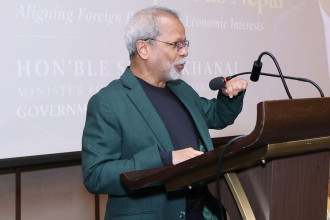
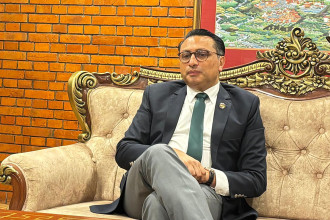
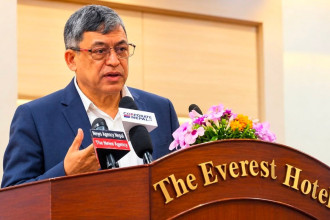
The event featured Dipak Kumar Shah, Minister for Industry, Commerce and Supplies, as chief guest; Gunakar Bhatta, Vice-Chairman of National Planning Commission, as guest of honour; and Ambassador Charles Whiteley, Head of the Delegation of the EU to Nepal.
-1791541730.JPG)
In his opening remarks, Minister Shah said, "To reform the export sector, we need to reduce the cost of production and improve productivity, establish an effective product certification system and implement a digital upgrade in the entire system." He added that Nepal cannot reform its export sector without increasing both domestic and foreign investment.
-1791541729.JPG)
Ambassador Charles Whiteley said, "European consumers increasingly value origin, craftsmanship and sustainability, and they are willing to pay for these qualities."
The programme included a presentation by economist Nishant Khanal titled 'EU-India FTA: Impact on Key Sectors in Nepal — Opportunities and Challenges'. Khanal outlined the main elements of the agreement and set out implications and possible next steps for Nepal.
-1791541728.JPG)
Khanal said cross-border power trade and India's rising industrial demand make Nepali hydropower a prime blending opportunity through the European Investment Bank and KfW Germany, aligned to the GREEN+ portfolio, and added that 'hydropower has a green advantage.'
He warned that Nepal's textile exports will suffer from the FTA's implementation, estimating the sector will face a loss of $7 million by the end of the agreement. He noted that branding, design, certification and quality upgrading for high-value, identity-linked products such as pashmina, orthodox tea, cardamom and medicinal and aromatic plants can expand opportunities for Nepal.
-1791541729.JPG "EEC-Nepal,-EU-India-FTA-impact-(4)-1791541729.JPG")
-1791541730.JPG "EEC-Nepal,-EU-India-FTA-impact-(9)-1791541730.JPG")
-1791541729.JPG "EEC-Nepal,-EU-India-FTA-impact-(3)-1791541729.JPG")
The presentation was followed by commentaries from sector experts and a question-and-answer session. The EEC-Nepal event highlighted Nepal's Least Developed Country (LDC) challenges, the need for investment reforms, the likely impact on textile industries and the potential of hydropower.