NAIMA calls for wider range of vehicles to be allowed as taxis in Bagmati

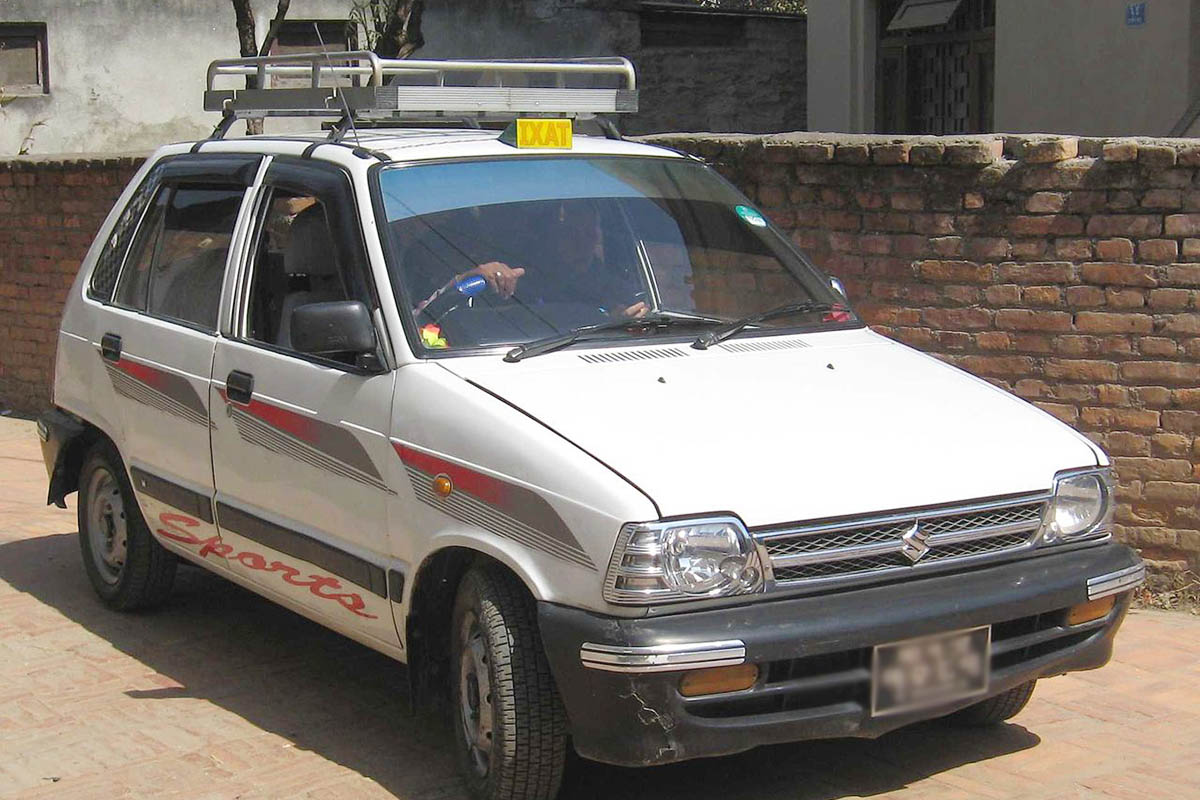
KATHMANDU: Nepal Automobile Importers and Manufacturers Association (NAIMA) has submitted formal suggestions to the Minister for Physical Infrastructure and Transport, calling for a broader interpretation and implementation of National Standards for Vehicles Used as Taxis, 2081.
In a letter to Transport Minister Madhav Prasad Chaulagain, NAIMA said the standard divides taxi services into three classes — ordinary, deluxe and luxury — and sets out technical, safety and service specifications that vehicles must meet to qualify for taxi service. The association noted that the national standard does not limit taxi permits to sedan-type vehicles, but that in practice in Bagmati Province only sedans appear to be receiving permission to operate as taxis.
NAIMA argued there was no clear basis for excluding other passenger-friendly vehicle types that meet the standard’s requirements. The association said allowing a wider range of vehicle classes would give taxi operators greater flexibility and provide passengers with more options based on luggage space, accessibility for disabled people and group size.
The letter pointed to international practice, where taxi fleets commonly include vehicles of different sizes and classes, and said the current situation in Bagmati Province created practical inequality compared with other cities where multiple vehicle classes were permitted. NAIMA recommended that vehicles falling under the ordinary, deluxe and luxury categories that satisfy all prescribed technical, safety and service specifications be granted taxi permits in the province.
In a press statement, NAIMA said its suggestions were offered in the spirit of improving industry experience, meeting practical requirements and raising service quality. The association expressed full respect for the policy framework prepared by the Ministry of Physical Infrastructure and Transport (MoPIT) and pledged continued collaboration with MoPIT to promote safe, high-quality and passenger-friendly taxi services.