
Fifth National Microfinance Member Summit opens in Kathmandu
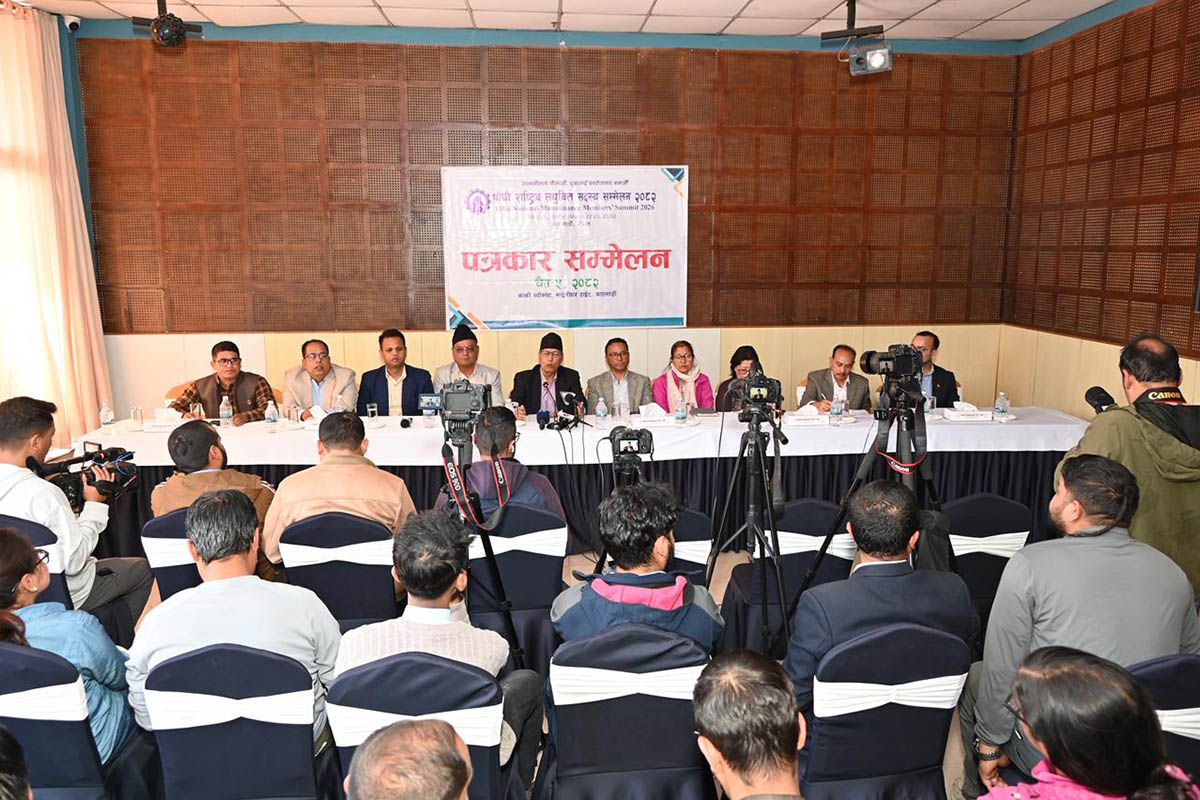
KATHMANDU: The Centre for Self‑Help Development (CSD) said the fifth National Microfinance Member Summit opened in Kathmandu today.
The two‑day summit, organised by major microfinance institutions and coordinated by CSD, is expected to bring together more than 500 participants and is running under the slogan ‘Spread entrepreneurship, make youth self‑employed.’ The summit will continue and conclude on Monday.
CSD said the programme features seven sessions that include collective discussions, interactions and exchanges of experience. Session topics cover members’ experiences and progress; the current status, challenges and opportunities of microfinance; the role of Credit Plus programmes in members’ economic and social transformation; development of positive thinking and stress management; the use of technology in microfinance and related precautions; youth self‑employment and the Three Zero Club; and the role of members, employees and institutions in controlling distortions and anomalies in the sector.
Earlier, at a press conference on Thursday, CSD Chairman Shankar Man Shrestha explained Nepal’s summit as distinctive. “While microfinance programmes are operational in 177 countries, Nepal is the only country to host a summit for the members themselves,” he said, adding that although global and national conferences usually involve policymakers and regulators, “members are an integral part of microfinance and the summit is centered around them.”
Shrestha highlighted social gains achieved through microfinance, citing examples of women becoming self‑employed, rising female literacy, increased school enrolment and returnee migrants starting businesses with microloans. He warned, however, that after the government converted microfinance institutions into company models as Class D financial institutions, a “race for profit and dividends” emerged, producing anomalies such as over‑indebtedness that must be corrected to restore a member‑centric focus.
Emphasising the summit’s focus on youth, Shrestha said microfinance institutions should work to create self‑employment opportunities for young people. “Microfinance institutions must now work toward making youth self‑employed, which will be a new dimension for microfinance programs,” he said, explaining the choice of this year’s slogan.
CSD noted that microfinance institutions and cooperatives now operate in all 77 districts of Nepal and are expanding services beyond credit into various Credit Plus activities for members’ economic and social development. It said they are also promoting the Three Zero concept by forming youth clubs that aim for zero poverty, zero unemployment and zero net carbon emissions.
Citing Nepal Rastra Bank (NRB) data, CSD said that as of September/October 2025, 52 microfinance institutions had engaged 6,283,000 people through about 5,000 branches nationwide, with 95 per cent of members women. Around 2.7 million members have taken loans to run businesses, and institutions have disbursed over Rs 495 billion in loans. CSD also said 50 cooperatives are conducting microfinance operations alongside the institutions.

-1790348682.jpeg)

-1790331055.jpeg)