Building Opportunity Through Technology: Arjun KC on Leadership and Mobility

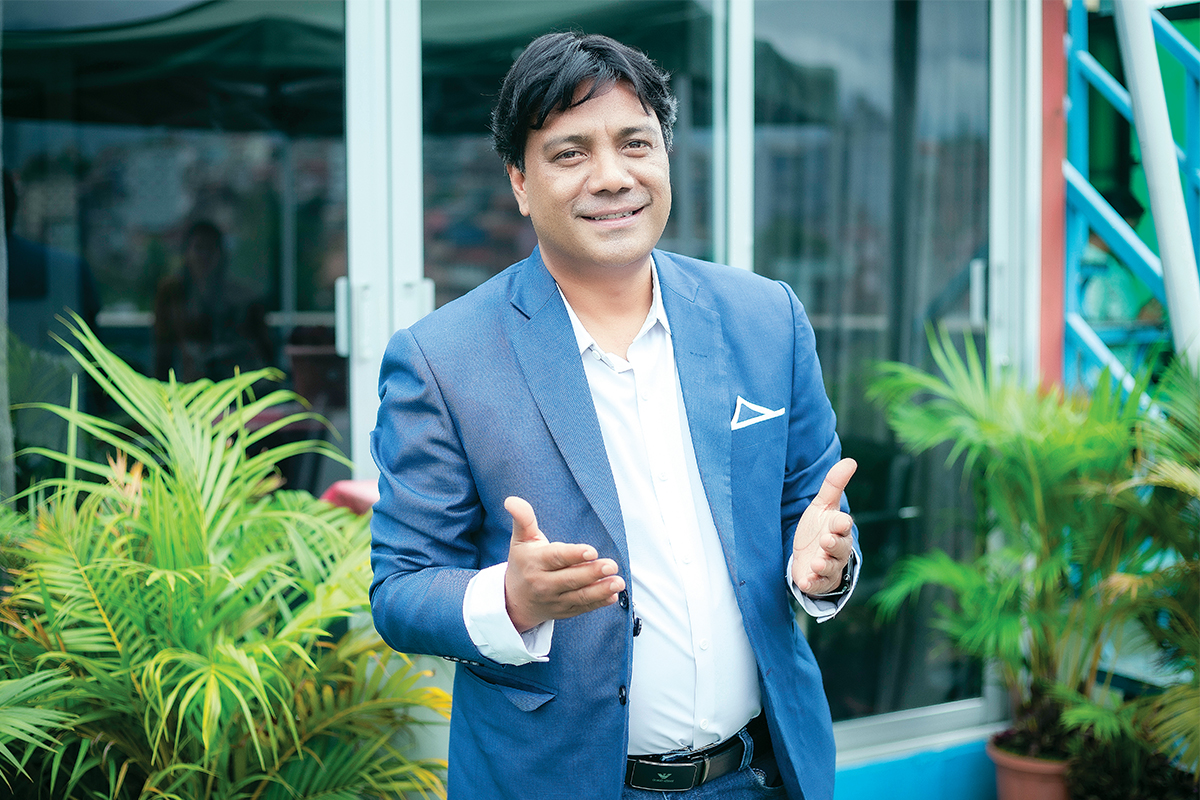
Uncertainty cannot become an excuse for inaction. We make decisions based on three principles: stay compliant, remain adaptable and maintain continuous dialogue with regulators. Instead of resisting policy changes, we try to understand them and contribute constructive solutions. Innovation and regulation should work together, not against each other. As a leader, my responsibility is to prepare the company for change rather than complain about it.
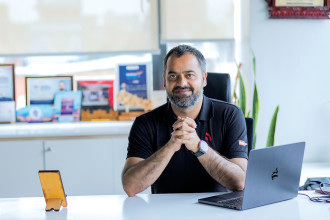
Arjun KC
Founder & CEO, Taximandu Service, Uber Strategic Partner for Nepal
Arjun KC’s path into technology was anything but conventional. Although he studied management, he has worked in the technology sector since 2003, building his expertise through vocational training and hands-on experience rather than formal technical education. That divergence between his academic background and professional career would ultimately define his entrepreneurial journey.
After spending nearly eight years with a Hong Kong-based company, KC returned to Nepal in 2016 determined to build something of his own. His first venture, a media content company, proved difficult to sustain. He later described it as operating more like a social service than a commercially viable business. Looking for his next opportunity, he turned to a problem he had experienced firsthand while living abroad: ride-hailing. By the time he began developing the idea, however, ride-sharing platforms had already entered Kathmandu. Rather than compete broadly, he focused on a niche - taxis.
That decision also reflected his willingness to embrace financial risk. Before there was even a product, KC hired a research team to study the market and later took out a bank loan to finance a business he knew would not be profitable for years. It was a calculated bet on long-term potential rather than immediate returns.
The gamble was tested almost immediately. Just four months after launching, the Covid 19 pandemic brought operations to a standstill, forcing significant staff reductions. KC recounts the experience with characteristic pragmatism, describing it not as a defining crisis but as another challenge to navigate. The same measured outlook is evident when he speaks about persuading taxi drivers to adopt smartphone technology or earning the trust of customers unfamiliar with digital taxi booking.
In the years that followed, KC represented Taximandu at international startup competitions, including in Silicon Valley and San Francisco, an experience he has described as both exciting and “nerve-wracking”.
In this edition of Business 360, he reflects on entrepreneurship, leadership and the lessons learned from building one of Nepal’s homegrown mobility platforms. Excerpts:
What is leadership to you?
To me, leadership is not about being the person in front. It is about creating opportunities for others to move forward. A true leader builds systems that continue to create value even when they are no longer in the room.
Leadership is measured by how many lives you positively impact, not by your title or position. If the people around you grow, become more confident, and succeed because of your leadership, then you are leading in the right direction.
-1786448469.jpg)
Is leadership ‘acquired’ or ‘inborn’?
I believe certain personality traits may be natural but leadership itself is acquired through experience, failure, resilience and continuous learning. Every major challenge teaches something no classroom can. You become a leader by making difficult decisions, accepting responsibility when things go wrong, and continuing to move forward even when the outcome is uncertain. Leadership is built, not born.
Could you share any incidents that tested your leadership ability?
The biggest test came during the Covid 19 pandemic. We had launched Taximandu with great momentum and within months the country entered lockdown. Overnight, our revenue disappeared, operations stopped and the future became uncertain. We had invested everything into building the company.
At that point, leadership was no longer about growth. It was about survival. Instead of giving up, we used that period to improve our technology, rethink our business model and prepare for the day mobility returned. Years later, those difficult decisions helped position Taximandu to become Uber’s Strategic Partner for Nepal. That experience taught me that real leadership is not about how you perform during success but about how you respond when everything appears to be falling apart.
If your leadership were a strategy, what would be your winning move?
My strategy is simple: build partnerships instead of competing with everyone. The biggest opportunities often come from collaboration. Rather than trying to become everything ourselves, we focused on creating value that global companies could trust. That mindset ultimately led to our strategic partnership with Uber in Nepal. I believe sustainable leadership creates ecosystems where everyone grows together.
When should leaders’ hand over their leadership position?
A leader should step aside when someone else can take the organisation further than they can. Leadership should never become an attachment to power. It is a responsibility. If your presence limits innovation or future growth, then the most courageous leadership decision is to empower the next generation. The goal is to build an institution, not dependency on one individual.
You started Taximandu in 2019 and within months, were hit by Covid lockdowns that wiped out your revenue. What did leading the company through that period teach you about leadership that business school or eight years of corporate experience in Hong Kong never could?
Corporate experience teaches you how successful organisations operate. Entrepreneurship teaches you how to survive when nothing goes according to plan. During Covid, there were no playbooks. Every decision affected employees, drivers, partners and our future. I learned that leadership is making difficult decisions with incomplete information while still instilling confidence in your team. More importantly, I learned that optimism is a leader’s responsibility. Even when I personally had doubts, the team needed someone who believed tomorrow would be better. That experience shaped me far more than any classroom ever could.
Before Taximandu, you tried a media company and found it ‘more of a social service than a business.’ How do you, as a leader, tell the difference between a mission worth persisting with and one worth walking away from?
A mission should create both impact and sustainability. If your business solves a real problem but cannot sustain itself financially, eventually the impact disappears. Walking away from one idea does not mean abandoning your mission.
My mission has always been creating opportunities for Nepal through technology. The vehicle changed, from media to mobility, but the purpose remained the same. Sometimes leadership means letting go of one dream so a bigger one can succeed.
You have been candid about Nepal’s unclear startup policies creating bottlenecks. As a leader, how do you make decisions for your company when the regulatory ground keeps shifting beneath you?
Uncertainty cannot become an excuse for inaction. We make decisions based on three principles: stay compliant, remain adaptable and maintain continuous dialogue with regulators. Instead of resisting policy changes, we try to understand them and contribute constructive solutions.
Innovation and regulation should work together, not against each other. As a leader, my responsibility is to prepare the company for change rather than complain about it.
You built trust with taxi drivers who did not own smartphones by training them yourself. What did teaching someone twice your age how to use an app teach you about what leadership actually requires, versus what it looks like on social media?
That experience humbled me. Leadership is not standing on a stage giving speeches. Leadership is sitting beside someone, patiently explaining something until they gain confidence.
Many drivers had decades of driving experience but were unfamiliar with digital technology. Watching them complete their first booking through an app reminded me that technology succeeds only when people feel included. Leadership requires empathy, patience and respect. Those qualities rarely make headlines but they create lasting trust.
Most founders measure their leadership by how big their own brand becomes. You just spent your credibility helping a global brand land in your own backyard. What did you understand about leadership in that moment that a founder with more ego would have missed?
I never viewed success as choosing between Taximandu and Uber. I viewed success as asking, “What creates the greatest opportunity for Nepal?”
If bringing a global platform into Nepal creates more employment, accelerates digital mobility, improves service quality and expands opportunities for drivers, then supporting that ecosystem becomes the right leadership decision. Leadership is not about protecting your spotlight.
It is about creating a bigger stage where everyone, including customers, drivers, local businesses and global partners, can succeed together. When your purpose is larger than your ego, partnerships become your greatest strength.
If a young Nepali entrepreneur wanted to start a ride-hailing business today, what would you tell them is the hardest, least glamorous part of reaching and staying at the top, the part nobody warns you about?
People often celebrate fundraising, launches and media attention. What they do not see are the years of uncertainty, regulatory challenges, cash-flow pressure, customer complaints, operational issues and thousands of small decisions that no one applauds. Success is usually built through consistency rather than extraordinary moments.
My advice is simple: Build trust before chasing growth. Listen more than you speak. Take care of your team. Stay financially disciplined. Most importantly, remember why you started.
If your purpose is strong enough, you will survive the difficult days that every entrepreneur inevitably faces. Bringing Uber to Nepal is not simply the launch of another ride-hailing platform. It marks the beginning of Nepal’s deeper integration into the global digital mobility economy.
For me, this journey has never been only about transportation. It is about creating sustainable livelihoods, accelerating electric mobility, empowering women and young entrepreneurs, and opening new economic opportunities for thousands of Nepalis.
One of the opportunities I am most excited about is for Nepali migrant workers. Today, many Nepalis earn their living by driving on the Uber platform in countries such as Australia, Canada, United Kingdom, United States and Middle East. As Nepal’s mobility ecosystem grows, many of them will have the opportunity to return home, reunite with their families and continue earning through the same trusted global platform. That represents not just economic opportunity but also a meaningful social impact.
At the same time, drivers in Nepal are now becoming part of Uber’s global network. They are joining a platform that operates in 15,000 plus cities worldwide, gaining access to international standards, technology and greater earning opportunities. This connection raises the quality and professionalism of Nepal’s mobility sector while creating new pathways for long-term growth.
I also believe this is the right time for multinational companies and long-term institutional investors to look at Nepal with confidence. Our country has talented people, a young workforce, growing digital adoption and significant untapped potential. With supportive policies and responsible partnerships, Nepal can become one of South Asia’s most promising destinations for sustainable investment.
I believe the future belongs to those who build together. If Uber’s entry into Nepal inspires more global companies to invest, creates meaningful employment, encourages skilled Nepalis abroad to return home, and strengthens Nepal’s position in the global economy, then we will have achieved something far greater than launching a platform. We will have helped create a new chapter of opportunity for our nation.